NAVIGATION LIGHTS REQUIRED ON VESSELS – COMPLIANCE & INSTALLATION GUIDE BY SEANAV
Whether you operate a commercial cargo ship, fishing vessel, yacht, or naval craft, understanding what navigation lights are required is crucial for nighttime sailing, low-visibility operation, and overall maritime safety.
Types of Navigation Lights Required on Ships
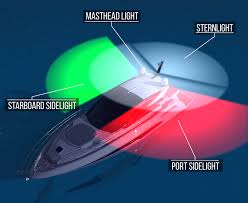
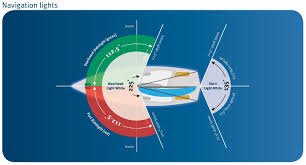
- Masthead Light: White light visible from the front and both sides
- Sidelights: Green (starboard) and red (port) lights visible from each side
- Stern Light: White light visible from directly behind
- Towing Light: Yellow light required for vessels engaged in towing
- All-Round Lights: White, red, or green lights visible from 360° used in various scenarios (anchor, restricted maneuverability, pilotage)
Who Determines the Required Navigation Lights?
The International Regulations for Preventing Collisions at Sea (COLREGs) issued by the International Maritime Organization (IMO) define the lighting requirements based on vessel size, activity, and condition. SEANAV ensures every light installed on your vessel complies with these rules.
11 Frequently Asked Questions (FAQs)
- Why are navigation lights required?
They help avoid collisions by indicating a vessel’s position, heading, and activity to others at sea. - When must navigation lights be used?
From sunset to sunrise and in conditions of restricted visibility like fog or heavy rain. - Are all boats required to have navigation lights?
Yes. From small crafts to large ships, all must comply with light regulations depending on size and type. - What happens if a vessel fails to show proper lights?
Non-compliance can result in legal penalties, fines, and increased risk of maritime accidents. - Can I install LED navigation lights?
Yes, as long as they meet IMO intensity and visibility standards. - Do different activities require different lights?
Yes. Towing, fishing, dredging, or restricted maneuverability each require specific lighting configurations. - How far should navigation lights be visible?
Depending on the light, visibility ranges from 2 to 6 nautical miles. - How often should navigation lights be inspected?
Lights should be checked before departure and during routine safety inspections. - Can SEANAV install navigation lights?
Absolutely. We provide full installation, repair, and certification support. - Are battery-powered navigation lights permitted?
Yes, particularly for small crafts, provided they meet duration and brightness requirements. - Does SEANAV offer certified lights?
Yes. All our lights are IMO and SOLAS-certified and suitable for global maritime operations.
SEANAV – Your Trusted Partner for Marine Navigation Lights
With decades of marine electronics experience, SEANAV ensures your vessel meets international standards for visibility and safety. From commercial vessels to offshore support ships, we help you install, certify, and maintain all required navigation lights. Contact us today to ensure full compliance and operational safety.