Maritime Remote Inspection Technologies
In the ever-evolving world of maritime operations, remote inspection technologies have emerged as a game-changer. These innovative systems offer a safer, faster, and more cost-effective solution for ship inspections. At SEANAV, we integrate cutting-edge tools to assist shipowners, classification societies, and regulatory bodies in adopting remote inspection methods with confidence.
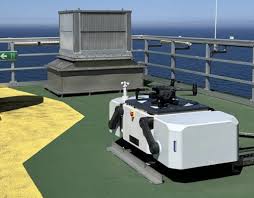
Remote inspections utilize advanced video, drone, and sensor technologies to assess ship condition, structure, equipment, and cargo, all without the need for inspectors to be physically present. These methods help reduce risks, minimize downtime, and improve operational efficiency across the maritime industry.
SEANAV specializes in installing and maintaining maritime remote inspection systems tailored for various applications, including hull inspections, engine diagnostics, ballast tank checks, and cargo monitoring. Our trained engineers work with clients globally, ensuring compliance with international standards such as IMO, IACS, and class society regulations.
Benefits of Maritime Remote Inspection Technologies
- Enhanced safety: Eliminates the need for human entry into hazardous spaces.
- Real-time data sharing: Remote experts can analyze conditions instantly.
- Cost efficiency: Reduces travel and labor costs significantly.
- Operational uptime: Inspections can occur without interrupting vessel operations.
- Detailed reporting: High-definition imagery and analytics for better decision-making.
Applications in the Marine Sector
From underwater hull assessments using ROVs to drone inspections of cargo holds and radar masts, the scope of remote inspection is extensive. These technologies are vital for vessel maintenance, emergency inspections, and flag state compliance audits. SEANAV’s remote inspection solutions integrate seamlessly with existing onboard systems, ensuring optimal performance and minimal disruption.
Frequently Asked Questions (FAQs)
1. What is maritime remote inspection?
It is the process of inspecting ships and offshore structures using digital tools such as drones, ROVs, and video streaming without physical presence on board.
2. Are remote inspections approved by classification societies?
Yes, most major classification societies like DNV, ABS, and LR have guidelines for remote surveys and inspections.
3. What equipment is needed for remote inspection?
Common tools include drones, remotely operated vehicles (ROVs), high-definition cameras, and networked sensors.
4. How does SEANAV support remote inspection?
SEANAV provides installation, maintenance, training, and system integration for shipboard remote inspection technologies.
5. Is internet connectivity required?
Yes, stable onboard internet (e.g., via VSAT or Inmarsat) is essential for real-time inspections and video streaming.
6. Are remote inspections safer than traditional inspections?
Absolutely. They reduce the need for human entry into confined or dangerous spaces, lowering accident risk.
7. How long does a remote inspection take?
Typically, remote inspections are faster than manual inspections, depending on the area and system used.
8. Can remote inspections be used during emergencies?
Yes, they’re ideal for rapid response in emergency or damage assessment scenarios.
9. Are remote inspections cost-effective?
Yes, they eliminate travel costs and reduce time spent on inspections, leading to lower operational costs.
10. Do remote inspections meet regulatory standards?
Yes, when performed using approved equipment and protocols, they meet class and flag state requirements.
11. Can SEANAV offer global support?
Yes, SEANAV operates worldwide and supports vessels at sea or in port with remote solutions and technical service.
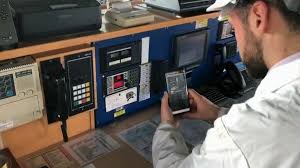
By embracing maritime remote inspection technologies, you ensure operational continuity, safety, and compliance. Trust SEANAV to lead your transition into the future of maritime inspection with expertise and innovation.
